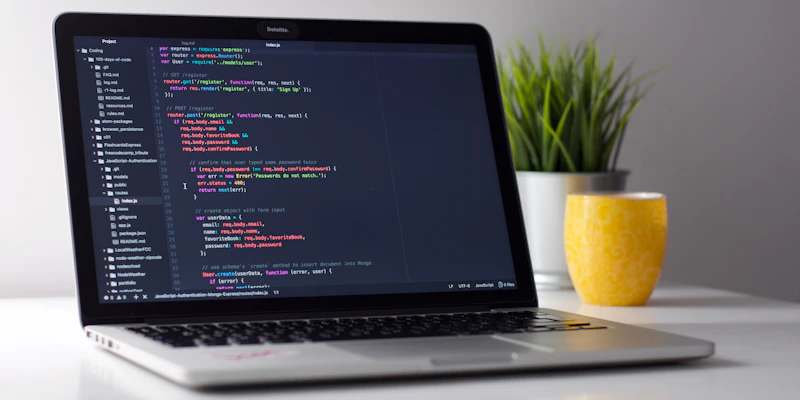
Python bootcamps have exploded in 2026, and choosing the right one can feel like picking a winning team. The demand for Python skills in data science, AI, and cybersecurity has turned short-term coding courses into career-changing experiences. So if you’re wondering which python bootcamps best options 2026 truly deserve your attention—this guide will help you cut through the noise.
Learn more in our coding bootcamp vs computer science degree guide.
Learn more in our flatiron school bootcamp review 2026 guide.
Learn more in our coding bootcamp job placement rates comparison guide.
These bootcamps are especially good for people with non-tech backgrounds who want early improvements without spending four years on a computer science degree. You’ll learn real coding, build actual projects, and come out with skills employers notice.
What is python bootcamps best options 2026
Definition and overview
For more on this topic, see our guide on best coding bootcamp.
For more on this topic, see our guide on coding bootcamp.
For more on this topic, see our guide on best coding bootcamps.
For more on this topic, see our guide on cybersecurity bootcamp.
A Python bootcamp is a short, intense training program that helps you become job-ready fast. Most run between 8 and 24 weeks. You’ll spend that time writing code every day, fixing bugs, and building real-world apps.
Unlike traditional degrees, bootcamps cut the fluff. You focus only on what you need—Python fundamentals, APIs, data structures, or automation tools. The best ones in 2026 combine live instruction, 1:1 mentorship, and career support.
Honestly, it’s a major advantage for career changers or upskillers. Many learners finish with full-stack portfolio projects and confidence to ace technical interviews.
What separates the best bootcamps from the rest is what happens outside of class time. Strong programs offer office hours, peer coding sessions, code reviews, and mock interviews. These extras aren’t optional—they’re often where the real learning happens.
It’s also worth noting the format options available today. You can choose from fully remote, in-person, or hybrid setups depending on your schedule and learning style. Many 2026 bootcamps have leaned into asynchronous content backed by live weekly sessions, making it easier than ever to learn without uprooting your life.
Key concepts
The top python bootcamps best options 2026 teach you more than just syntax. They focus on job-ready topics like:
- Working with frameworks (Flask, Django)
- Using GitHub for version control
- Automating workflows with Python scripts
- Data analysis with Pandas and NumPy
- Integrating APIs and cloud deployments
Here’s a quick comparison of what most leading Python bootcamps emphasize:
| Focus Area | Avg. Duration | Outcome |
|---|---|---|
| Full Stack Python (e.g., Coding Dojo) | 14–20 weeks | Web developer or software engineer |
| Data Science Python (e.g., Springboard) | 16–24 weeks | Data analyst or machine learning engineer |
| Automation & AI (e.g., Flatiron School) | 12–18 weeks | Automation engineer, AI developer |
Learn more in our ai machine learning bootcamps review guide.
From what I’ve seen, flexible programs with strong alumni networks tend to have better job placement rates—often above 85%.
Most bootcamps also incorporate version control and collaborative workflows from day one, because employers expect you to know how to work in a team using tools like Git and GitHub. That practical exposure is something self-taught developers often miss entirely. It’s one of the clearest advantages of a structured program.
Why python bootcamps best options 2026 Matters
Importance and relevance
Python remains one of the easiest programming languages to pick up—and it’s everywhere now. From app development to AI, Python dominates. CompTIA reports that Python appeared in over 40% of tech job listings in early 2026.
That’s why picking from the python bootcamps best options 2026 isn’t just smart—it’s a straightforward choice if you want a fast path into tech. These programs bridge the gap between ambition and employability.
And if you’re exploring coding bootcamps for non tech backgrounds, this is a strong option. Python’s readability makes it beginner-friendly. Even if you’ve never coded before, you’ll pick it up quickly with guided practice and mentorship.
A solid Python bootcamp helps you:
- Master in-demand frameworks used by companies like Google and Spotify
- Build portfolio projects (think REST APIs and data dashboards)
- Understand software logic that transfers across languages
- Learn in a job-like environment with deadlines and teamwork
So, you’re not just learning theory—you’re building the muscle memory to code confidently.
The job market context matters here, too. Entry-level Python roles that once required a CS degree are increasingly open to bootcamp graduates who can demonstrate project work and technical fluency. Hiring managers at mid-sized tech companies have shifted toward skills-based assessments over credential checks—and a strong portfolio built during a bootcamp can outperform a degree on paper.
Practical applications
Python bootcamps today go beyond web apps. Many now include cybersecurity modules, data modeling, and even AI basics. If you compare programs through a cybersecurity bootcamps comparison 2026, you’ll see that several security paths now teach Python for automation and vulnerability testing.
That means Python skills transfer across multiple tech careers:
| Career Path | How Python Fits | Median Salary (2026 est.) |
|---|---|---|
| Data Analyst | Cleans and analyzes datasets | $85,000 |
| Cybersecurity Engineer | Automates incident responses | $100,000 |
| Software Developer | Builds scalable applications | $95,000 |
| DevOps Engineer | Scripts deployment and monitoring tools | $110,000 |
In my experience, people who started with Python bootcamps often land jobs faster than those who stick to self-learning. Why? Because bootcamps provide structure, accountability, and community—all things that solo learners struggle to maintain.
Let’s mention a strong example: App Academy. According to recent App Academy review and outcomes data, over 90% of graduates secured tech roles within six months. They keep improving their Python curriculum each year, adding project-based learning and real interview training. That’s a serious easy place to start for anyone chasing career results.
Another standout? General Assembly, which now offers AI-integrated Python pathways for beginners. Their part-time model lets you balance learning with life—a blessing if you’re working full-time.
Springboard deserves a mention here as well. Their data science track pairs Python instruction with a dedicated mentor who works in the industry. You meet weekly, review your code together, and map out your job search strategy. That kind of direct access to a working professional is hard to put a price on.
How to Choose the Right Python Bootcamp for You
Not every bootcamp is built the same, and your goals should drive your choice. Before enrolling anywhere, get clear on three things: what role you’re targeting, how much time you can commit weekly, and what your budget ceiling is.
If you’re aiming for a data science or machine learning role, prioritize programs that cover Pandas, NumPy, Scikit-learn, and visualization libraries like Matplotlib. If web development is your target, look for strong Django or Flask coverage alongside database fundamentals.
Payment structure is worth scrutinizing, too. Many top bootcamps offer Income Share Agreements (ISAs), where you pay nothing upfront and a percentage of your salary once you’re hired. Others offer deferred tuition or monthly installment plans. Run the numbers carefully—some ISA terms can end up costing more in the long run, depending on your starting salary.
Also look at the career services package. The best programs don’t just hand you a certificate and wave goodbye. They connect you with hiring partners, prep you for behavioral interviews, review your LinkedIn profile, and stay in your corner until you land the job.
Finally, read alumni reviews on independent platforms, not just what’s featured on the bootcamp’s own website. Look for patterns in feedback—recurring complaints about curriculum quality or lack of instructor responsiveness are red flags worth taking seriously.
Who this is for
If you’re curious whether a Python bootcamp fits your life, here’s who benefits most:
- Career changers tired of low-growth jobs
- College grads wanting marketable tech skills fast
- Working pros adding automation to their toolkit
- Entrepreneurs planning to build apps or tools themselves
It’s also worth calling out one group that often overlooks bootcamps: people already working in adjacent fields like finance, marketing, or operations. Python for automation is a genuine superpower in those roles. Learning to write scripts that clean spreadsheets, pull API data, or automate reporting can make you dramatically more valuable without changing careers at all.
So if you want hands-on practice without a long-term commitment, this might be your sign.
What to Expect During Your First Month
The first few weeks of any Python bootcamp are deliberately uncomfortable. You’ll be thrown into exercises that feel too hard, and that’s intentional. The pressure of daily coding challenges is what accelerates learning faster than a textbook ever could.
Most programs start with Python basics—variables, loops, functions, and object-oriented programming. By week three or four, you’re typically building small projects and connecting to external APIs. It moves fast, but you’re rarely alone. Cohort-based learning means your classmates are problem-solving alongside you.
Expect to spend 20–40 hours per week on coursework, depending on whether you’re enrolled full-time or part-time. Block your calendar, eliminate distractions during study sessions, and lean on your instructors heavily in the early weeks. The students who struggle most are usually the ones who try to learn passively—watching lectures without immediately applying what they’ve seen.
Treat every assignment like a mini job task. Write clean code, comment your logic, and push everything to GitHub. You’re building your portfolio in real time, and employers will scroll through your commit history.
Conclusion: Why python bootcamps best options 2026 are worth it
The python bootcamps best options 2026 give you real momentum toward a tech career. They pack hands-on learning, mentorship, and job prep into a fraction of the time a degree takes. For beginners, they’re accessible. For experienced professionals, they’re a shortcut to staying relevant.
You’ll write code daily, get feedback from real developers, and walk away with job-ready skills. Combine that with outcomes like App Academy’s placement stats or hybrid programs that blend coding with cybersecurity training, and you’re looking at a powerful starting point.
The industry is moving fast, and 2026 is a year where Python fluency is no longer a niche skill—it’s table stakes in tech, data, and increasingly in fields like finance and healthcare. The people investing in structured training now are setting themselves up for roles that didn’t exist five years ago.
If you’re ready to switch careers, level up your job prospects, or just learn a practical new skill—choosing one of 2026’s top Python bootcamps isn’t just a good move. It’s a smart investment in your future.


